Things just got interesting... Blog article
Yesterday the Reserve Bank dropped interest rates by 0.25% to a record low 1.75%.
This decision primarily reflects unexpectedly low inflation numbers and a persistently strong Aussie Dollar.
Many pundits were surprised by yesterday’s decision. Although I have been long spouting the need for lower rates, the timing of yesterday’s action was a surprise to me. The catalyst was clearly the low inflation number for the March quarter – in fact the number was deflationary, coming in at -0.2%. Annual inflation is running at 1.3%, well below the RBA’s target inflation rate of 2-3%. The RBA would normally wait to see if this was an abnormality as they would want to see some consistency/patterns to the numbers, so its immediate decision tells us that they are worried about the outlook for general price inflation.
What is inflation? Inflation is the positive change in prices over a period of time, i.e. increase in prices. It is important to have inflation to keep demand at an appropriate level and thus GDP growth for an economy. Inflation is the norm and encourages us to purchase goods immediately, including capital assets such as housing, as we expect that prices will be higher in the future.
The opposite of this is deflation – prices falling.
Deflation is scary, really scary, because of the behaviour that can result from expectations of lower prices.
Think about it, what would you do if you believed prices would be lower in 3 months, or 6-12 months? You would hold off buying anything that wasn’t a necessity, right? Think about buying a house or investment property, would you buy today if you firmly believed and data evidenced that prices were falling? No, you would wait. And so would everyone else. What do you think would then happen to house prices if nobody was buying…….exactly!
This is the type of scenario that leads to lower economic growth and ultimately a recession. So you can see why the Reserve Bank is so focussed on inflation. By lowering rates, the RBA is hoping to make purchasing assets attractive through lower debt repayments, thus stimulating the economy and keeping prices rising.
This is exactly what is happening pretty much everywhere around the world, i.e. rates falling to stimulate growth/inflation. Global deflation is a major concern, and this concern is increasing as global growth continues to be revised down.
In comparison to most other developed nations, we have high interest rates. It is this interest rate differential that is driving our dollar higher. We have for a long time been behind the 8 ball in dropping rates, and our currency has been telling us this. The dollar hitting a 12 month high of 78 cents is having a negative impact on our exporters, which drives down economic growth. A lower exchange rate is desirable because our exporters will receive more Aussie Dollars for every widget they sell, encouraging them to produce more – creating jobs and growth for Australia. The opposite is also true.
Now that the RBA has lowered rates, the dollar has come back to 75 cents, but it will take more rate reductions to keep it down and stimulate economic growth and inflation. If inflation keeps falling, as has been the case around the world, expect rates to keep falling.
Things just got interesting...

Jul
The RBA has kicked off the New Financial Year with another rate cut - Will your lender pass on the full savings?
READ MORE >
Sep
The RBA may have held the official cash rate at the first spring meeting, but interest rate changes continue in the home loan market:
READ MORE >
Mar
What's actually happening out there? As we near the end of the first quarter of 2016 (yes already!) James Taylor shares his professional overview of the current economic conditions.
READ MORE >
Mar
At its March meeting, the Reserve Bank of Australia elected to keep the official cash rate on hold at 1.5 per cent. However, changes are happening in the market...
READ MORE >
Nov
Our Managing Director, James Taylor's overview of the last financial quarter, and forecast for interest rates, property and financial markets.
READ MORE >
Dec
The RBA decided to keep the official cash rate on hold at 2.0% today, but what's to come?
READ MORE >
May
At its May meeting, the Reserve Bank of Australia elected to keep the official cash rate on hold at 1.5 per cent. However, Australian lenders are still increasing rates to keep in line with APRA's new lending rules...
READ MORE >
Jun
Learn why banks are raising rates outside of the RBA's decisions on interest only loans. Should you switch to principle & interest repayments?
READ MORE >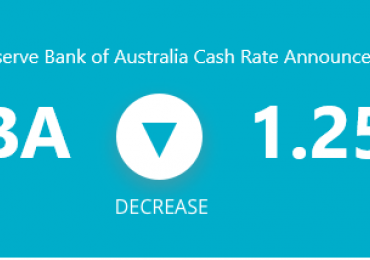
Jun
At its June meeting today, the Reserve Bank of Australia (RBA) cut the official cash rate to just 1.25% - the lowest level in Australian history.
READ MORE >
Feb
The Reserve Bank of Australia didn't move the official cash rate at the first meeting of 2017. Meanwhile, many lenders have been adjusting their interest rates outside of RBA movements this summer.
READ MORE >